
During my extensive college research, I stumbled across a member of UNC-Chapel Hill’s staff that piqued my interest. The Chair of the Department of Psychology & Neuroscience, Donald T. Lysle, Ph.D., focuses on the effects of opioids on humans in his laboratory. In particular, he seeks to decipher the reason opioids create long-term negative immune system consequences and to find innovate methods to use opioids for therapy (beyond pain management).
With respect to the former goal, data has been uncovered suggesting that a network between the ventral tegmental area (part of reward center), the basolateral amygdala (fear response area), and the nucleus accumbens (other part of reward center) is what allows for opioids to change the immune system. Even the hippocampus, which generally plays a role in learning and memory, serves as an element of the aforementioned network. Recent information supports an increased role of cytokines (immune system signalers) in neuronal communication. These advancements are being paired with maps of changes in brain signaling due to heroin to advance knowledge regarding opioids’ health effects and addictive qualities.

Lysle’s second goal is to discover new methods for opioid use in therapy for anxiety disorders. Research in this field could have impacts as profound as preventative therapy for PTSD, which had no answer previously. Experiments done at Lysle’s lab have supported the link between morphine and a decrease in PTSD symptoms. This progress, coupled with new studies on pharmacotherapy and neuroinflammation, will pave the way for advancements in treating PTSD and other related anxiety disorders.
The most recent publication by researchers at Lysle’s lab is titled “Hippocampal TNF-α Signaling Mediates Heroin Withdrawal-Enhanced Fear Learning and Withdrawal-Induced Weight Loss.” TNF-α is a cytokine that works with others of its kind to develop enhanced fear learning. The study examined the effects of these cytokines in rodents and clinical patients suffering from PTSD. The researchers tested whether or not heroin withdrawal can alter TNF-α expression and how this expression translates to enhanced fear learning. They found that TNF-α concentration increased as time elapsed after withdrawal onset. However, they also discovered that using a TNF-α inhibitor called etanercept prevented the development of enhanced fear learning and lessened weight loss.
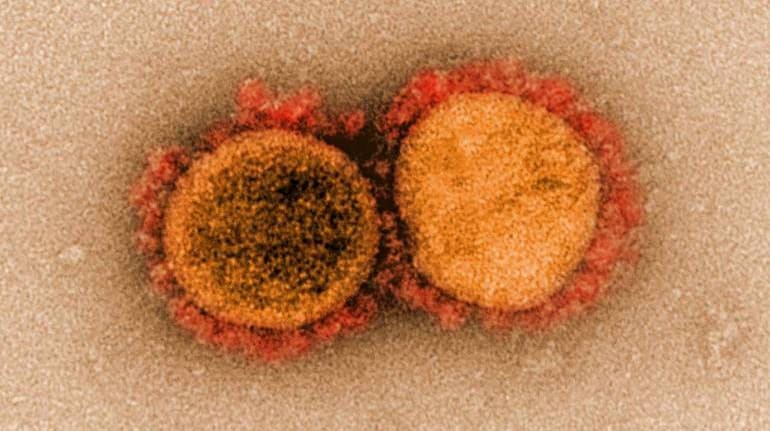
On a partially related note, a UNC-Chapel Hill lab at Gillings School of Global Public Health has done research recently regarding a pill that can eliminate the COVID-19 virus. It works by preventing the virus from multiplying, making symptoms more manageable and disease duration shorter. The pill, called molnupiravir, halved the hospitalization and death rates of people who recently acquired the virus, as compared to those without the pill. This method is deeply impactful because it is a quicker and more accessible form of the current treatments. If the FDA grants emergency authorization for consumption of this drug, pills could begin to circulate at the end of this year.
Sources:
https://donlysle.web.unc.edu/research/
Parekh, S. V., Paniccia, J. E., Adams, L. O., & Lysle, D. T. (2021). Hippocampal TNF-α Signaling Mediates Heroin Withdrawal-Enhanced Fear Learning and Withdrawal-Induced Weight Loss. Molecular neurobiology, 58(6), 2963–2973. https://doi.org/10.1007/s12035-021-02322-z
https://www.unc.edu/posts/2021/10/01/molnupiravir-unc-trials/
Cover image: https://identity.unc.edu/
In-text image 1: https://en.wikipedia.org/wiki/Reward_system
In-text image 2: https://kuloarjeng1.blogspot.com/2020/12/molnupiravir-molnupiravir-un.html
 Brice Rider